Tarrytown Austin Homes Lifestyle: Modern vs Vintage
June 4, 2026
June 4, 2026
Wondering whether a vintage Tarrytown home or a more modern one will fit your daily life better? In this part of Austin, the answer is rarely simple because Tarrytown is layered, not one-note. You will find historic older homes, bungalows, ranch houses, remodels, and newer builds woven into a quiet, tree-filled setting near downtown, Lake Austin, and Lady Bird Lake. If you are trying to decide what will actually work for the way you live, this guide will help you look past surface charm and focus on function. Let’s dive in.
Tarrytown sits in west-central Austin, just west of downtown and the University of Texas, between Lake Austin and MoPac, with Lake Austin Boulevard and 35th Street helping define the area. The neighborhood is known for mature trees, lawns, gardens, and a mix of housing types that span multiple eras.
That mix matters when you tour homes here. Tarrytown does not present as a single architectural style or a one-size-fits-all lifestyle. Instead, it offers an older urban fabric with a blend of grid streets, winding roads, and cul-de-sacs that can make one block feel very different from the next.
When many buyers picture Tarrytown, they imagine homes with personality you can feel right away. The neighborhood includes older homes and estates, plus bungalows, and city historic-review documents show examples of 1930s Tudor Revival homes as well as 1950s ranch houses.
That variety gives vintage homes a layered appeal. You may see original details, smaller-scale rooms, or a floor plan that feels more segmented than what you would find in newer construction. For many buyers, that is part of the draw.
Tarrytown’s bungalows often appeal to buyers who want charm over sheer size. These homes can feel more intimate in the way rooms are scaled and connected, and they may show their age through older finishes or layouts.
That can create opportunity if you value design and are open to thoughtful updates. A home with strong bones and character may let you personalize the space over time while keeping the feel that made you fall for Tarrytown in the first place.
Living in an older home can be rewarding, but it can also require closer attention. If a property is old enough, exterior changes, additions, demolition, or relocation may trigger historic review in Austin, particularly for designated resources or eligible buildings that are 45 years or older.
That does not mean you should avoid older homes. It simply means you should understand the home’s status, its update history, and how future plans might be shaped by local review standards before you move forward.
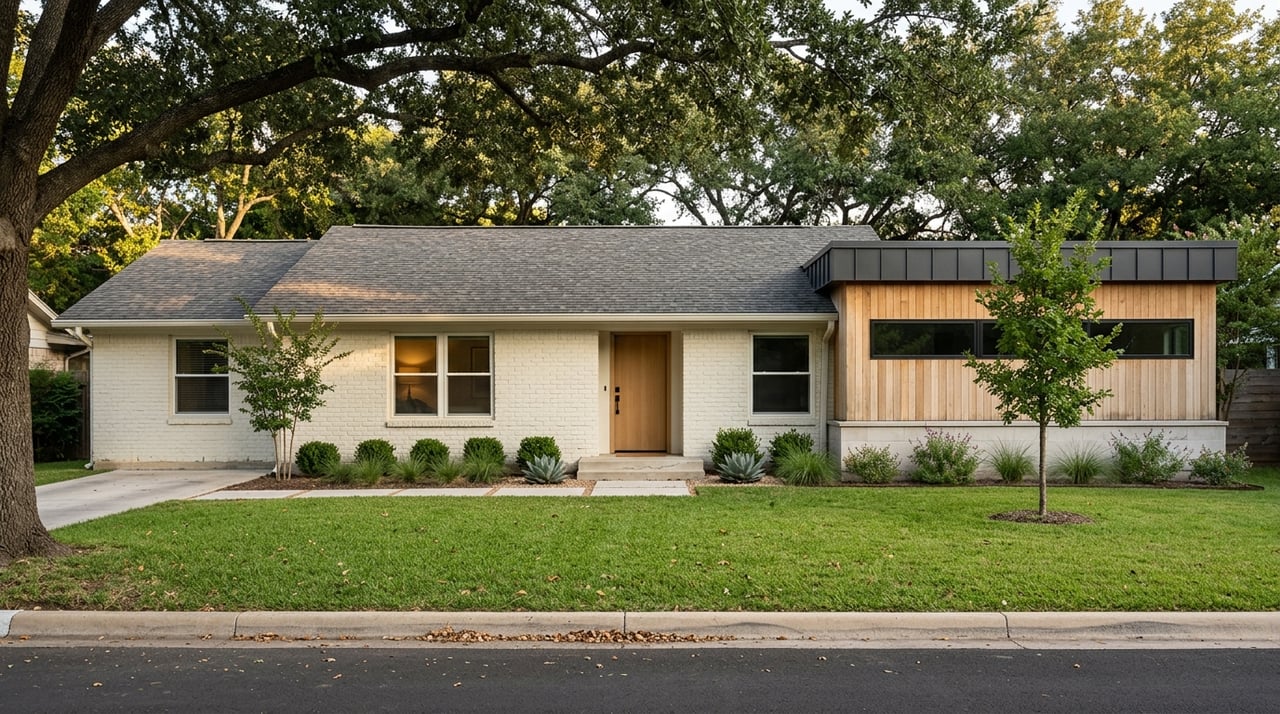
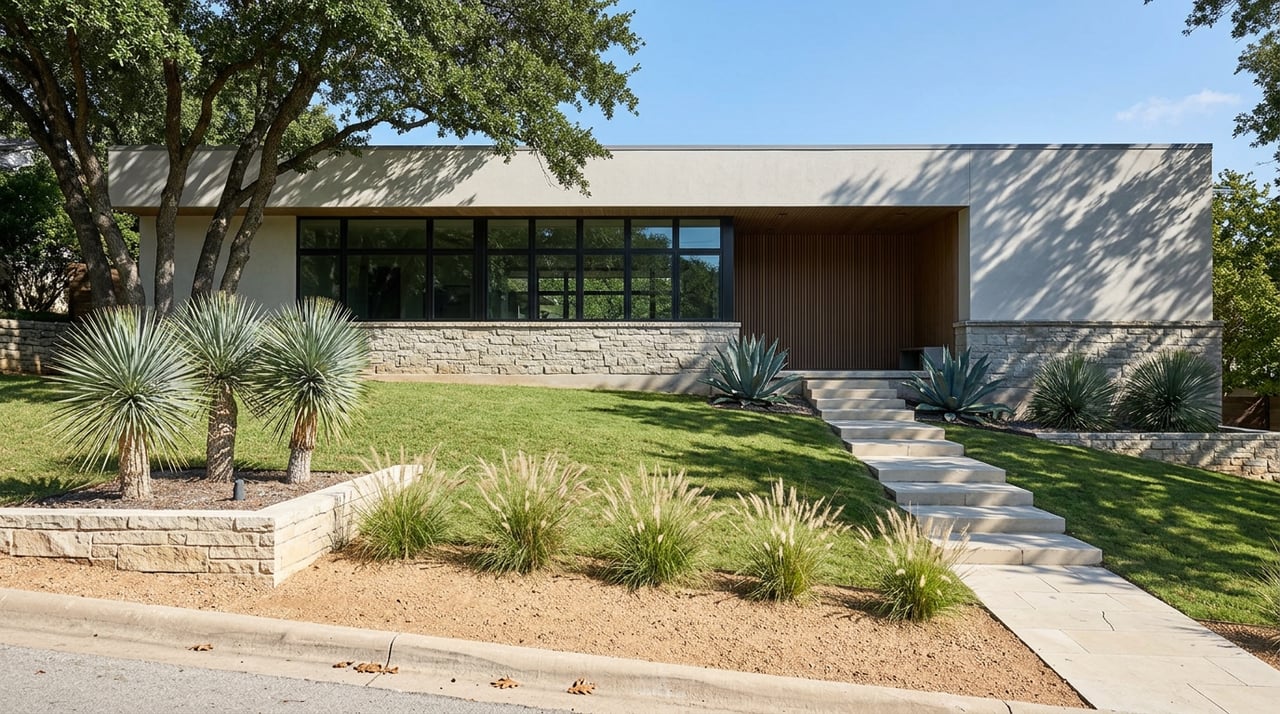
Mid-century ranch homes in Tarrytown often strike a balance between vintage character and practical living. Austin records show 1950s ranch houses in the neighborhood, and Austin Public Library material on mid-century residential design notes that postwar homes often introduced more open floor plans, larger window walls, and a stronger indoor-outdoor connection.
In real life, that can translate to a home that lives more casually than an earlier cottage or Tudor. If you want a house with some original charm but less compartmentalized living, a ranch may feel like the middle ground.
Not every ranch will feel bright and open the moment you walk in. An Austin Energy case study of a 1960s Tarrytown ranch described the original home as having small, dark rooms with limited connection to the outdoors, then showed how a remodel improved flow, enlarged windows, and strengthened the relationship to the shady front and back yards.
That is an important takeaway for buyers. In Tarrytown, a ranch that has been thoughtfully updated may live very differently from one that remains mostly original, even if both look appealing on paper.
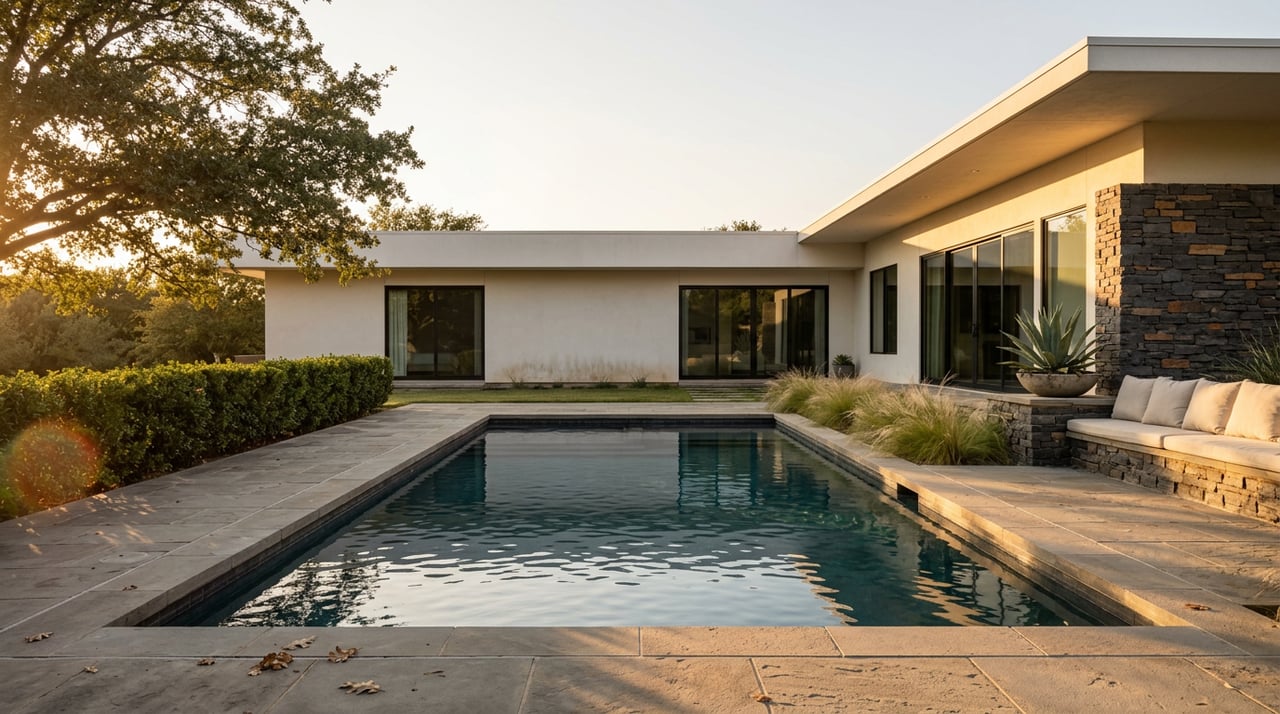
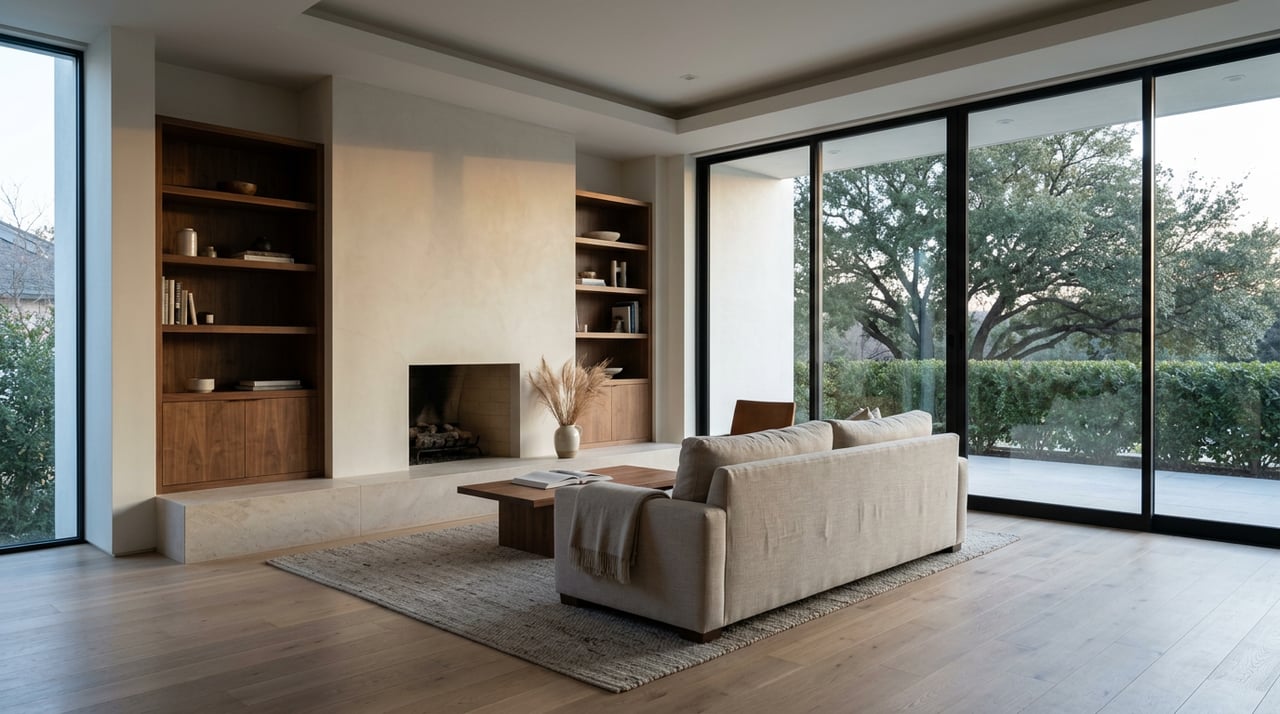
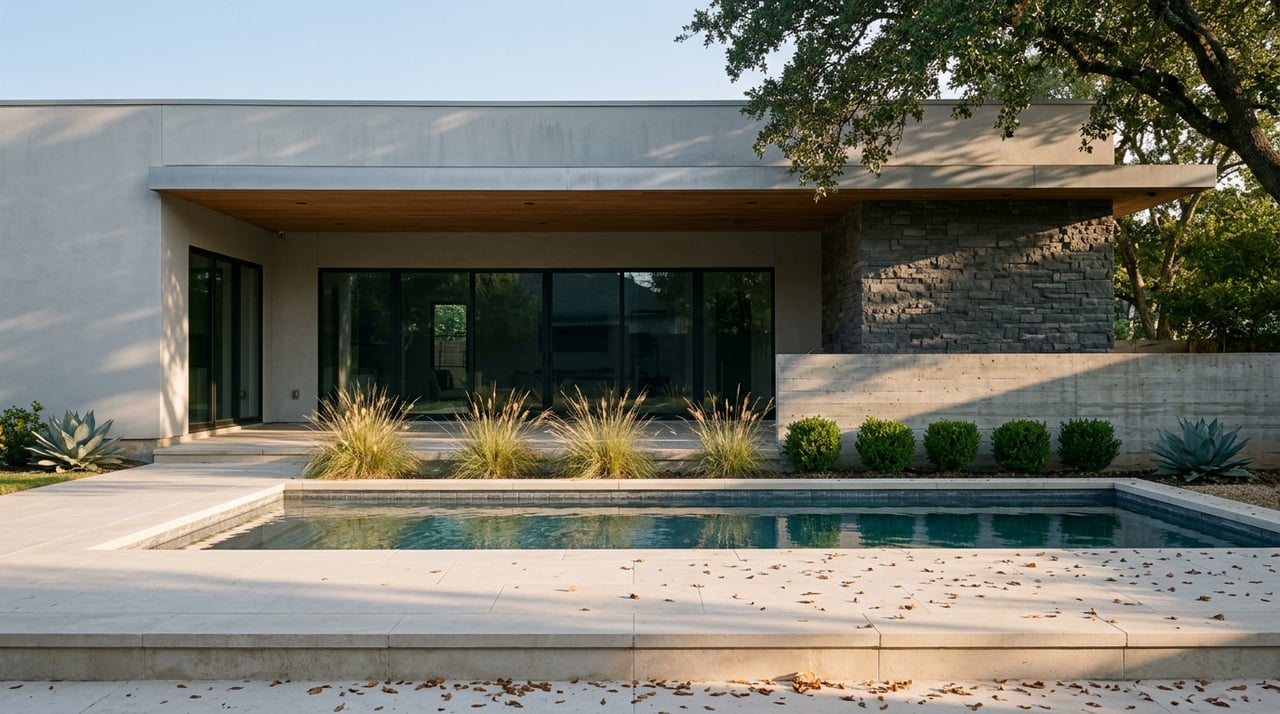
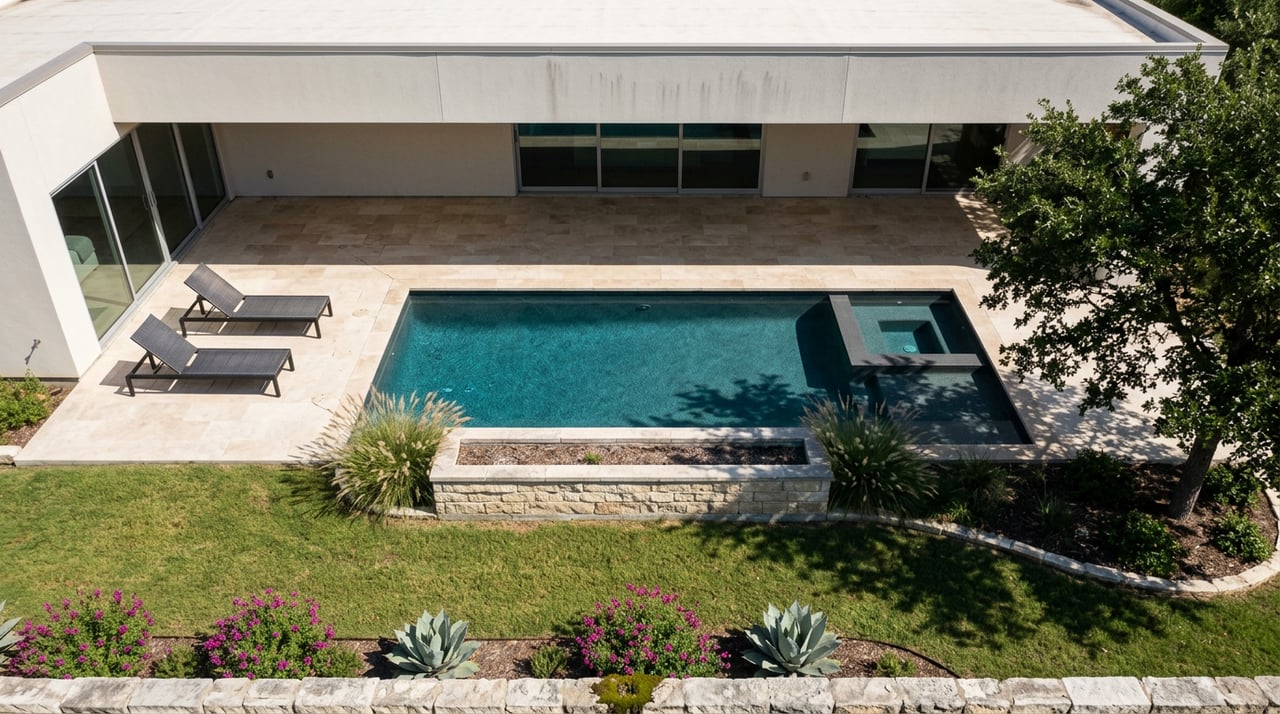
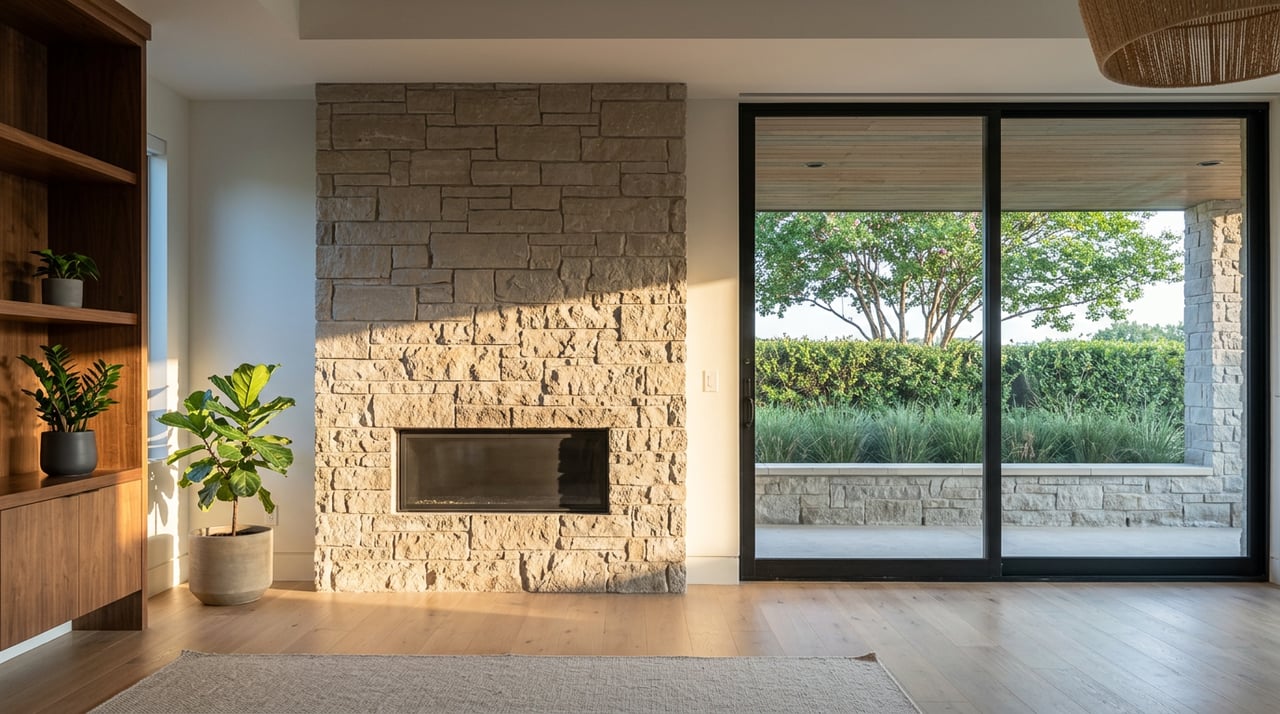
Modern homes and major remodels in Tarrytown tend to speak to today’s preferences. In practical terms, these homes may offer larger open kitchens, more flexible primary suites, and better indoor-outdoor flow, while still fitting into an established neighborhood setting.
Because Tarrytown is an older neighborhood, newer construction does not exist in a vacuum. It has to respond to mature trees, narrower streets, and the visual scale of surrounding homes, which helps preserve the neighborhood’s overall feel.
If your lifestyle revolves around easy entertaining, work-from-home flexibility, and cleaner circulation between living spaces, a newer home may feel simpler right away. You may notice smoother traffic flow, stronger natural light, and spaces that support both everyday routines and hosting.
For buyers who want the Tarrytown address without taking on as much renovation uncertainty, modern homes and large-scale remodels can be especially appealing. The tradeoff is often less original detail and, depending on the property, a different relationship to the lot or streetscape.
In Tarrytown, lot feel is not a side note. Mature trees, lawns, gardens, and proximity to the lakes shape how a home lives just as much as square footage or finish level.
Shade, privacy, driveway placement, and outdoor usability can change your experience of a property in a big way. A home with a smaller interior may still live beautifully if the yard, light, and tree canopy make the entire property feel welcoming and usable.
The neighborhood plan notes that Tarrytown has no alleys, and its narrow streets contribute to a quiet, pedestrian-oriented feel. That is part of the charm, but it also makes practical touring important.
You will want to notice how guests arrive, where cars park, and whether garage access feels easy or awkward. These are not glamorous details, but they often affect day-to-day convenience more than buyers expect.
A vintage Tarrytown home may be the better fit if you care most about original personality, established surroundings, and the feeling of living in a home with history. These properties often offer charm that is hard to replicate, especially when mature landscaping and classic architecture work together.
You should be ready, though, for a layout that may feel less open and for renovation decisions that may need more research. In some cases, what makes the home special is also what requires the most care.
A modern home or major remodel may fit better if you want a layout that supports current living patterns from day one. Open kitchens, stronger indoor-outdoor flow, and more flexible suites or gathering spaces can make everyday life feel easier.
This option often works well for buyers who value a polished, move-in-ready experience. You still get Tarrytown’s trees, location, and lifestyle, but with a floor plan that may ask less compromise.
In Tarrytown, beautiful photos do not always tell you how a house will function. The best tours help you compare preserved older homes, mid-century homes with update potential, and newer builds that fit into an established streetscape.
As you walk through properties, pay attention to a few practical questions:
Those questions can quickly reveal the difference between a home that is simply attractive and one that truly supports your routine.
One of Tarrytown’s biggest advantages is that daily life is shaped by more than the front door. The neighborhood’s location near Lake Austin and Lady Bird Lake supports a lifestyle that can include boating, paddling, trail time, and time outdoors.
The area is also close to places like Mayfield Park & Preserve, along with paddling access and the Ann and Roy Butler Hike-and-Bike Trail around Lady Bird Lake. That means your decision between modern and vintage is also a decision about how you want your home base to connect with the outdoors and the rhythm of central Austin living.
If you are weighing character against convenience in Tarrytown, the right answer usually comes down to how you want the home to support your day, not just how it looks in listing photos. A well-preserved bungalow, a refreshed ranch, or a newer design-forward home can each be the right fit when the layout, lot, and block all line up with your priorities. If you want a guided, design-aware perspective on which Tarrytown homes truly live well, connect with Justyn LeFebvre.
Stay up to date on the latest real estate trends.
Etiam non quam lacus suspendisse faucibus interdum. Orci ac auctor augue mauris augue neque. Bibendum at varius vel pharetra. Viverra orci sagittis eu volutpat.
Get In Touch With Me To Learn More
@ Properties Lone Star- Christie's International Real Estate 1105 N. Lamar Blvd. Suite 105 Austin, TX 78703