Bee Cave TX Hill Country Living: A Local Look
June 25, 2026
June 25, 2026
If you want Hill Country views without giving up daily convenience, Bee Cave tends to get your attention fast. It offers a setting that feels more scenic and spacious than central Austin, yet you are still close to shopping, dining, trails, and major routes. For buyers and relocators, that mix can be hard to find. Here’s what it’s like to live in Bee Cave’s Hill Country and what to expect day to day.
Bee Cave is a small city in Travis County with an estimated 8,510 residents as of July 2024. The U.S. Census Bureau reports a median household income of $113,157 and a median owner-occupied home value of $699,100, which helps explain why the area often attracts buyers looking for higher-end homes and strong lifestyle amenities.
The city describes itself as a gateway to the Hill Country between downtown Austin and the lakes. In practical terms, that means you get a blend of neighborhoods, retail, office space, and outdoor recreation instead of a purely rural or purely urban environment. The overall feel is polished, suburban, and nature-connected.
Bee Cave also leans into its natural setting in a visible way. It is designated as a Bee City USA Affiliate, an International Dark Sky Community, and a Certified Scenic City. Those designations help shape the area’s identity and reinforce why so many buyers are drawn to its views, open skies, and preserved Hill Country character.
Living in Bee Cave usually means your routine revolves around a few strong anchors. The Hill Country Galleria corridor is the center of everyday convenience, with shopping, restaurants, entertainment, and civic spaces all concentrated in one area. That gives you easy access to errands and outings without needing to head into central Austin for everything.
Visitor data from the city shows that retail is the primary driver of visitation, with 62% of visitors observed at retail points of interest. Hill Country Galleria is identified as the main driver, which matches what many residents experience in real life. It is where a lot of everyday activity happens.
The corridor includes stores and services that make suburban living easier, including Whole Foods, Dillard’s, Dick’s, H&M, a multi-screen cinema, boutique shopping, and a wide range of restaurants. You can keep most day-to-day plans local, whether you need groceries, a casual dinner, or a night out.
Bee Cave Public Library adds another layer to that routine. Located inside City Hall in the Galleria area, it serves about 9,500 active cardholders and sees around 70,000 visitors each year. That makes it feel less like a quiet branch and more like a true community hub.
One of Bee Cave’s biggest lifestyle strengths is how easy it is to spend time outside. The city park system includes Central Park, Sculpture Park, Falconhead West Primitive Park, Dog Park, and the Old Bee Cave School House. For many buyers, that outdoor access is part of the reason Bee Cave feels different from a more standard suburban setting.
Central Park is a 50-acre park with pavilions and playscapes, giving residents a flexible space for recreation and casual gatherings. The trail system also connects Falconhead Boulevard to Central Park and the Galleria through a 1.5-mile multi-use trail. That adds a welcome layer of connection between neighborhoods and amenities.
If you want something more rugged, Falconhead West Primitive Park offers more technical hiking and mountain biking. That gives outdoor-minded residents a different experience than a typical neighborhood walking path. You can go from a polished shopping corridor to a more natural trail setting in a short drive.
The city’s Sculpture Park adds another dimension to outdoor life. It is a 7-acre natural setting with permanent and rotating sculptures, a spring-fed pond, mature oaks, native plants, and wildlife. Bee Cave also places benches through the Hill Country Galleria as part of its arts program, which helps tie public space and landscape design together.
Bee Cave is not one uniform neighborhood. The city’s official neighborhood listings show a mix of enclaves inside the city, including Falconhead, Falconhead West, The Grove, Homestead, Ladera, Meadow Fox, Uplands, Wildwood in Bee Cave, Canyonside, Lakes Edge, Cottages at Spillman Ridge, Signal Hill, Creeks Edge, East Village, and Twin Acres. Nearby communities like Lake Pointe, Spanish Oaks, Belvedere, Sweetwater Ranch, Rocky Creek, West Cypress Hills, and Provence add even more variety to the broader area.
That variety matters if you are house hunting. Instead of one dominant housing product, Bee Cave offers several different living styles depending on how much land, privacy, community structure, or newer construction you want.
The most common patterns include:
Spanish Oaks represents the private, gated side of the market. It is about 20 minutes from downtown Austin and includes golf-course frontage, panoramic views, and homesites in its Hillside section ranging from about 0.3 to 1.6 acres. For buyers who prioritize privacy and a more estate-like feel, that is a notable option in the area.
Belvedere offers a different kind of spacious setting. It includes 223 homesites from 1 to 3 acres, plus amenities like a lazy river pool, splash pad, and an 80-acre nature preserve. That blend of larger lots and shared amenities appeals to buyers who want room to spread out without giving up organized community features.
The Homestead emphasizes 1 to 8 acre lots and an equestrian setting. That makes it stand out for buyers who want a more rural-feeling property experience while still staying connected to Bee Cave’s broader convenience network.
Sweetwater highlights the newer master-planned side of the Hill Country market. Homes are designed around views, front porches, covered patios, walls of windows, and a range of builders and floor plans. The community also includes more than 700 acres of preserved canyons, ridges, and open space, which helps keep the natural setting front and center.
A helpful way to think about Bee Cave is this: it offers Hill Country scenery with suburban convenience, not dense urban walkability. You will find neighborhoods, parks, civic spaces, and shopping nodes connected in a suburban pattern. That works well for many buyers, but it is different from living in a central Austin neighborhood where nearly everything is packed tightly together.
The convenience is real, but it is concentrated. Much of it centers around the Galleria and the Highway 620 corridor, with trails and roads linking those destinations to nearby neighborhoods. If you are relocating from a more urban setting, that is an important expectation to have upfront.
For many people, though, that tradeoff is the appeal. You get more sky, more space, and often more privacy, while still keeping restaurants, shopping, and recreation within easy reach.
Bee Cave appeals to many buyers because it does not feel cut off from Austin. Some nearby communities market downtown Austin as roughly a 20-minute drive away, though actual travel times vary with traffic. That proximity helps Bee Cave serve people who want a quieter home base without losing access to the city.
This is especially relevant for relocators and move-up buyers comparing central neighborhoods with West Austin and the Hill Country edge. Bee Cave can offer a different daily rhythm, one that feels more residential and view-oriented while still staying connected to employment centers, dining, and entertainment across the metro.
For buyers who want to understand the local school landscape, the city lists Lake Travis ISD as the local district. Schools named by the city include Bee Cave Elementary, Bee Cave Middle School, Lake Pointe Elementary, Lake Travis Elementary, Lakeway Elementary, Serene Hills Elementary, Hudson Bend Middle School, Lake Travis Middle School, and Lake Travis High School.
As with any move, it helps to confirm attendance boundaries and enrollment details directly before making a decision. Still, knowing the district and the schools commonly associated with the area can help you frame your search more clearly.
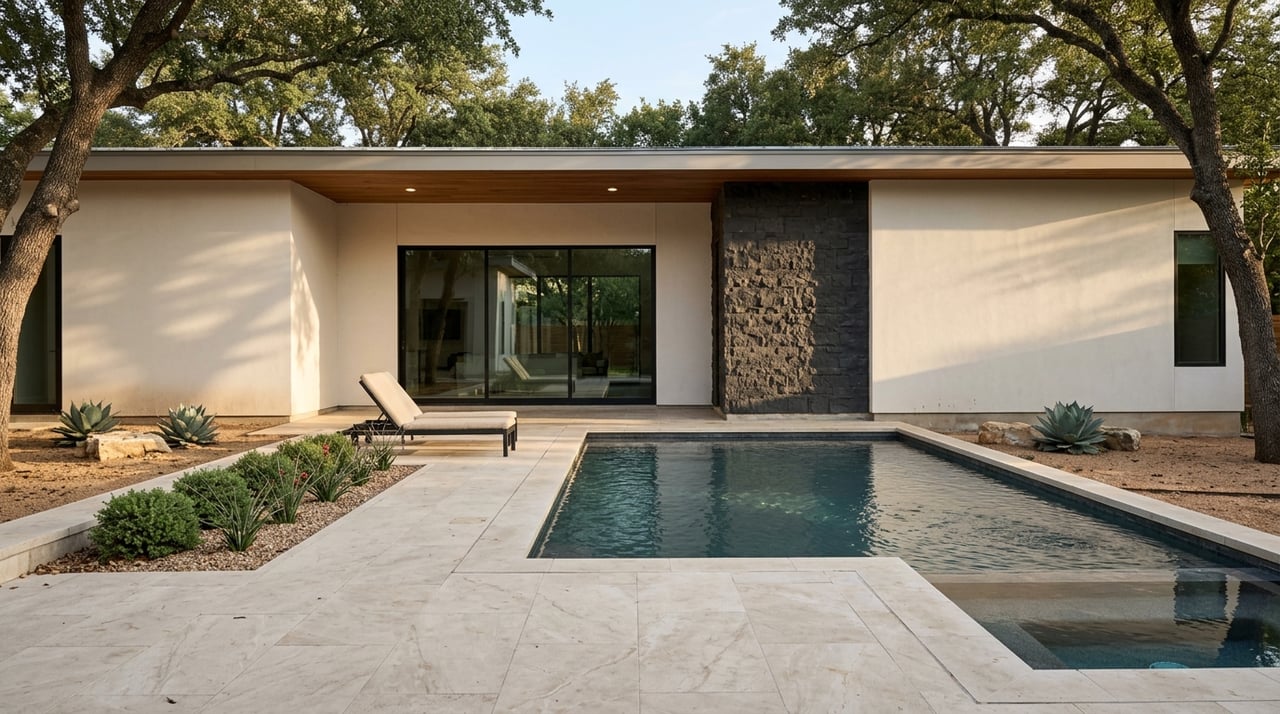
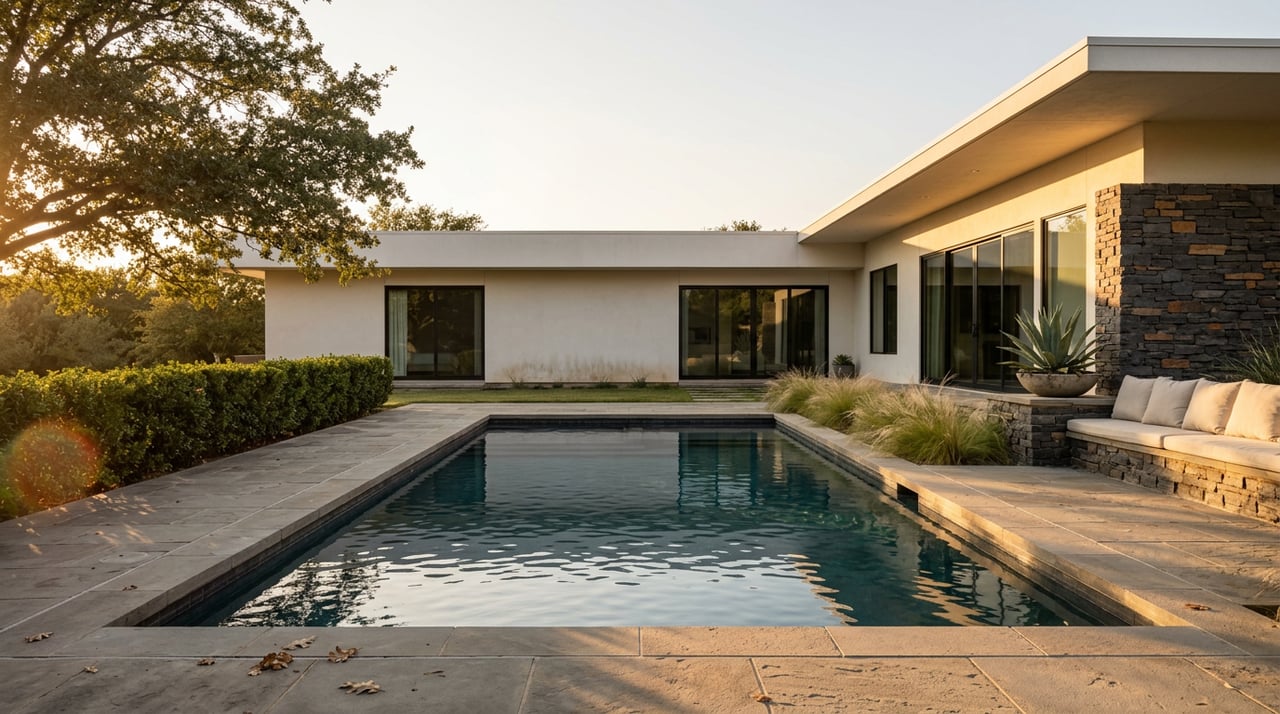
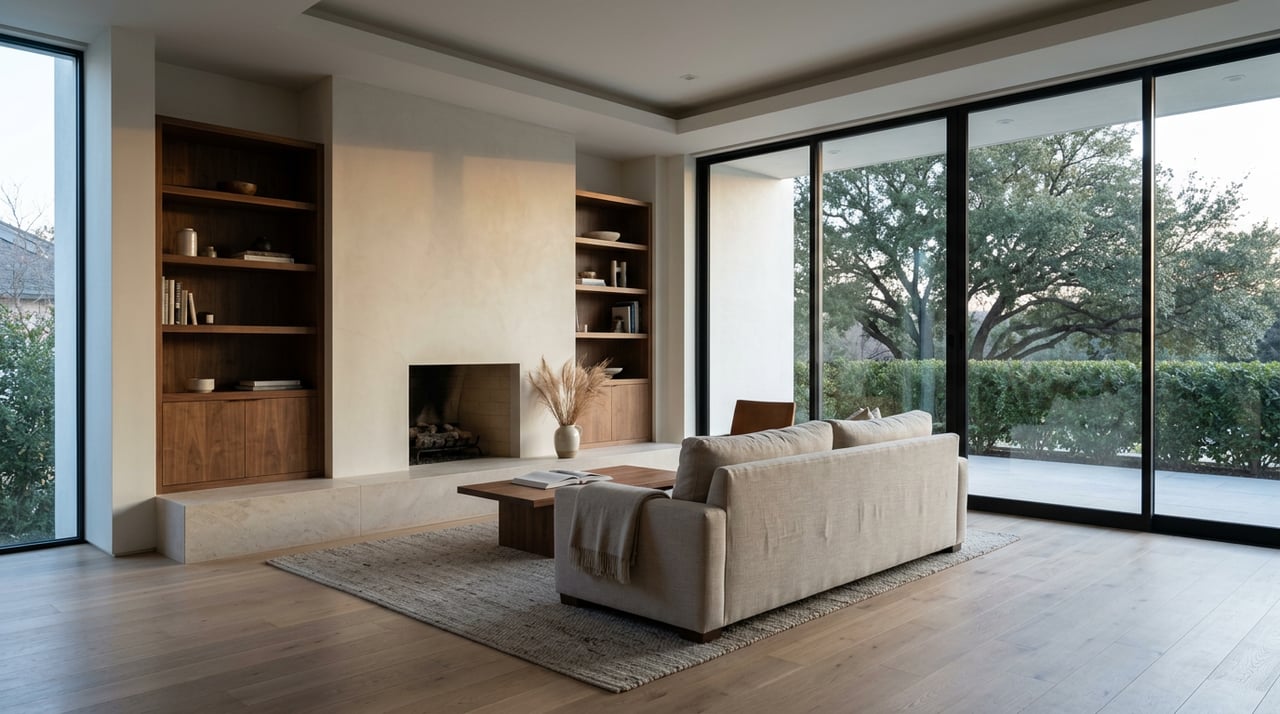
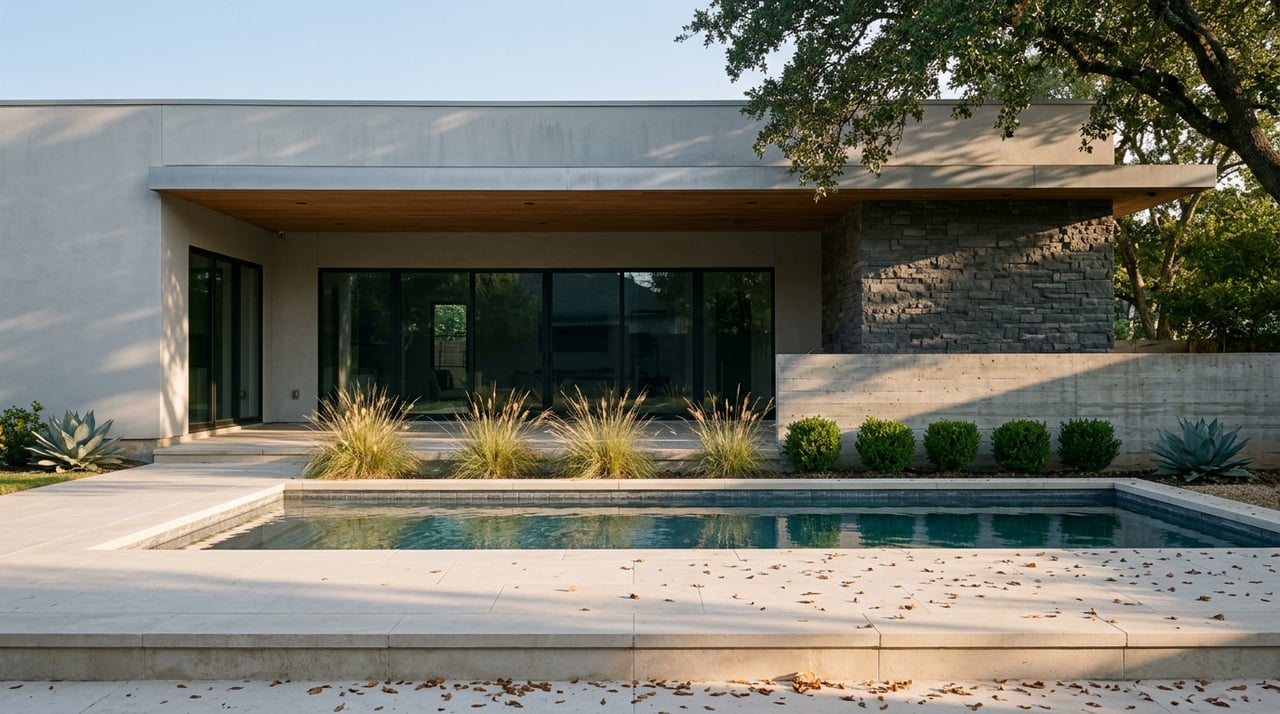
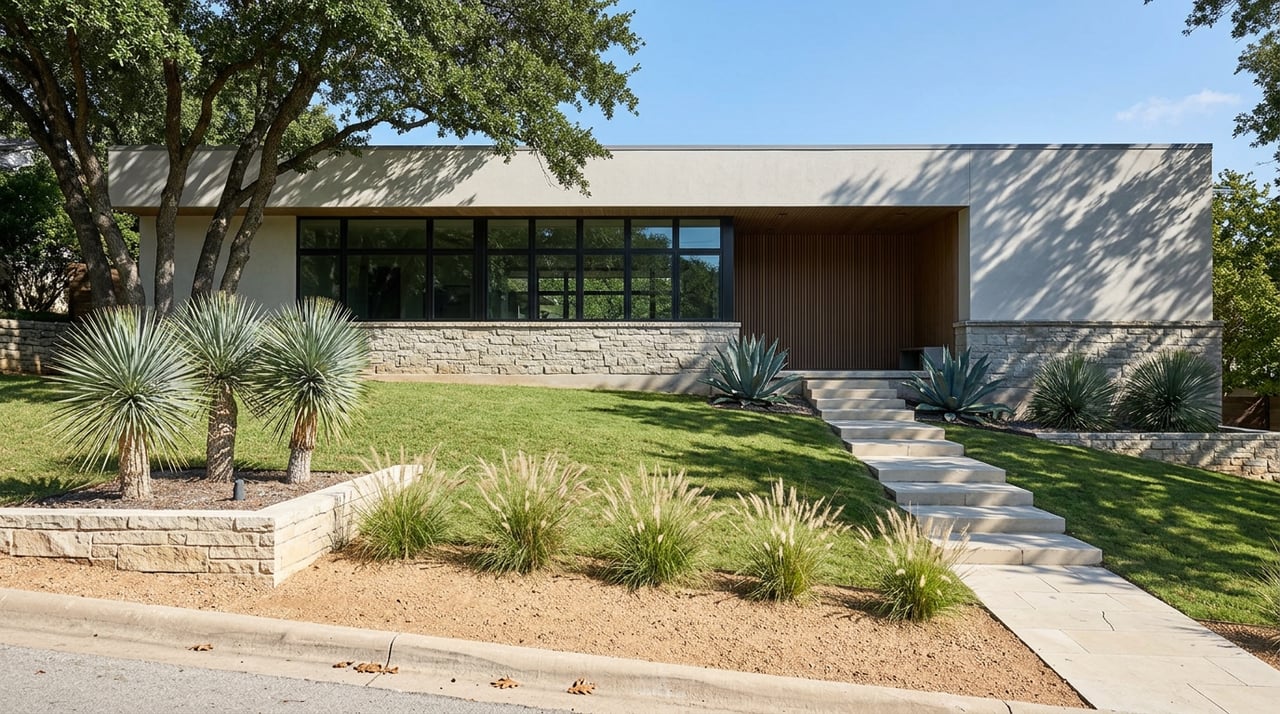
Bee Cave often appeals to buyers who want a little more breathing room. If you value outdoor access, scenic drives, larger homesites, or a more design-forward Hill Country home, the area gives you options that can feel quite different from central Austin inventory.
It can also be a strong fit if you want a suburb that does not feel generic. Between the natural terrain, community variety, park system, public art, and concentration of amenities, Bee Cave has a more distinct identity than many growth areas.
For sellers, that identity matters too. Buyers are often responding not just to square footage, but to the way a home connects to the wider Bee Cave lifestyle of views, patios, trails, and everyday convenience. In a market like this, presentation and positioning can make a meaningful difference.
If you are considering a move to Bee Cave or preparing to sell there, it helps to work with someone who understands both the lifestyle and the buyer mindset behind this part of the Austin market. To talk through neighborhoods, home styles, or your next move, connect with Justyn LeFebvre.
Stay up to date on the latest real estate trends.
Etiam non quam lacus suspendisse faucibus interdum. Orci ac auctor augue mauris augue neque. Bibendum at varius vel pharetra. Viverra orci sagittis eu volutpat.
Get In Touch With Me To Learn More
@ Properties Lone Star- Christie's International Real Estate 1105 N. Lamar Blvd. Suite 105 Austin, TX 78703