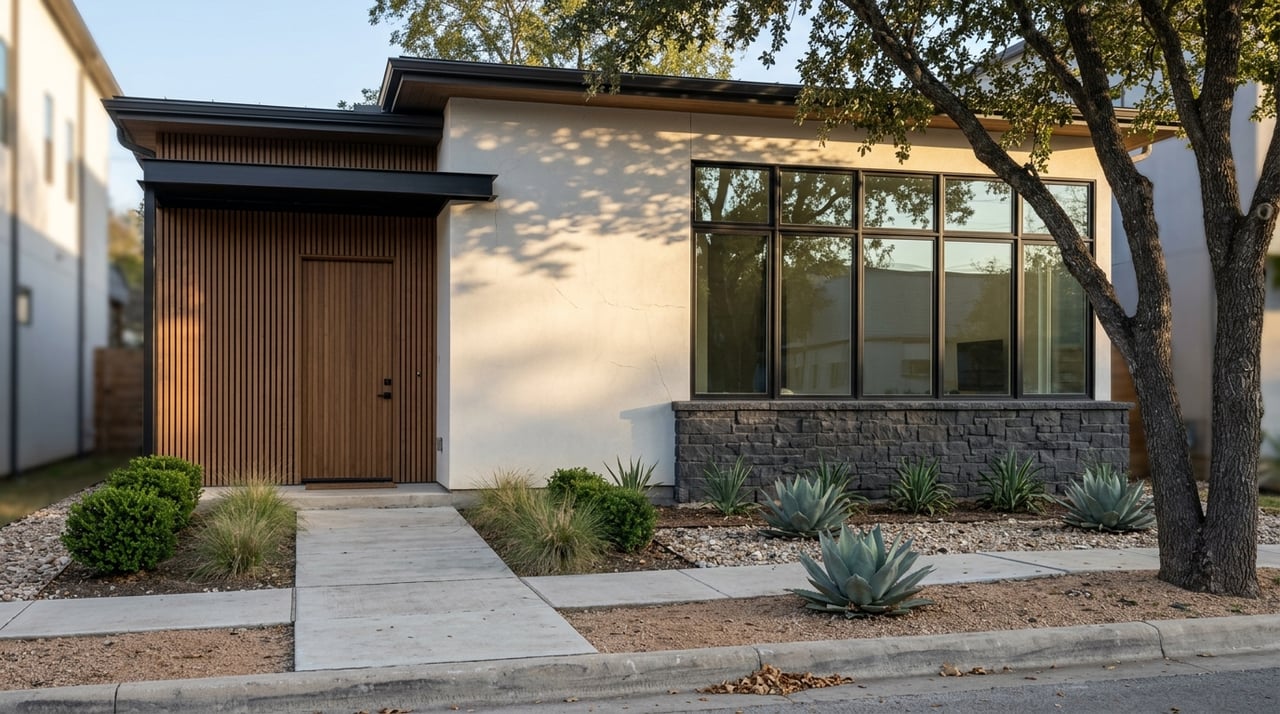
Living Car-Light In Zilker, Bouldin Creek And Travis Heights
June 18, 2026
June 18, 2026
If you love the idea of walking to coffee, biking to a trail, or using transit for everyday plans, 78704 makes that lifestyle feel much more realistic than many people expect. Still, not every pocket of South Austin works the same way, and the right fit depends on whether you care most about errands, recreation, or a quieter residential setting. In this guide, you’ll see how Zilker, Bouldin Creek, and Travis Heights compare for car-light living so you can focus your home search with more confidence. Let’s dive in.
In Zilker, Bouldin Creek, and Travis Heights, living car-light usually means you can handle many daily errands, workouts, and social outings on foot, by bike, or on transit. At the same time, a car can still be useful for extreme heat, bulk shopping trips, or getting across town.
That balance matters when you are comparing homes. A neighborhood does not need to be fully car-free to support a lower-car lifestyle. In 78704, the practical advantage comes from being close to trails, commercial corridors, transit, and grocery anchors.
Several parts of 78704 line up well for a car-light lifestyle. Zilker Metropolitan Park alone covers more than 350 acres and includes Barton Springs Pool, the Ann and Roy Butler Hike-and-Bike Trail, Barton Creek Trail, Zilker Botanical Garden, Austin Nature and Science Center, and McBeth Recreation Center.
The Butler Trail is especially important because the City of Austin describes it as an alternative transportation corridor. The Violet Crown Trail also begins at Zilker Park and is planned to extend 30 miles south, adding even more value for buyers who want to walk or bike more often.
Transit also helps connect the area. CapMetro’s Rapid network runs along the North Lamar and South Congress corridor and along Burnet Road and South Lamar, which gives many 78704 residents useful access to key destinations.
Then there are the everyday anchors that make the lifestyle more practical. SoCo H-E-B and Wheatsville South Lamar give residents grocery options that support shorter errand trips without always needing to drive.
Zilker stands out if your ideal routine starts with outdoor access. The neighborhood connects directly to Zilker Park and the Barton Springs area, which gives you quick reach to swimming, trails, and recreation that can become part of everyday life instead of just weekend plans.
Walk Score gives Zilker a Walk Score of 75 and a Bike Score of 82. It also notes roughly 102 restaurants, bars, and coffee shops in the neighborhood, so you still get a solid mix of nearby dining and daily convenience.
The transit picture is practical too. The city notes that buses 3 and 803 stop on South Lamar, which adds another option for getting around without relying on your car for every trip.
There is one tradeoff to keep in mind. Zilker Park parking is seasonal and paid during peak periods, so the area tends to reward people who are already comfortable walking, biking, or planning around bus access.
Bouldin Creek is often the strongest fit if you want the most urban-feeling routine of the three. It is the kind of place where groceries, coffee, dining, and casual outings can feel more closely stitched into everyday life.
Walk Score ranks Bouldin Creek as the 6th most walkable neighborhood in Austin. It reports scores of 82 for walkability, 54 for transit, and 78 for biking, along with about 231 restaurants, bars, and coffee shops.
City planning documents also help explain why the area functions this way. Bouldin’s plan emphasizes a mix of housing options and neighborhood-scale multi-family buildings, while South First Street is recognized as a major north-south corridor with retail and grocery uses mixed among residences.
In practical terms, this means your home search here may be less about dramatic park frontage and more about daily convenience. With nearby anchors like SoCo H-E-B at 2400 South Congress and Wheatsville’s South Lamar store at 4001 South Lamar, Bouldin Creek often works well for buyers trying to reduce short car trips.
Travis Heights usually feels the most residential of the three neighborhoods. If you want a calmer block pattern but still want access to South Congress, parks, and usable bike or transit connections, it can be a compelling middle ground.
A sample location on Travis Heights Boulevard has a Walk Score of 62, Transit Score of 50, and Bike Score of 73. That makes it somewhat walkable, with solid biking potential and workable transit for many routines.
Parks are an important part of the appeal here. Nearby options include Stacey Park, Little Stacy Park, and Big Stacy Park, and the city’s park directory also places Big Stacy Neighborhood Park, Little Stacy Neighborhood Park, Blunn Creek Greenbelt, and Little Stacy Wading Pool in 78704.
Big Stacy Pool adds another notable amenity because it is a free public pool with lap and recreational swim hours. For buyers who want a more residential feel without giving up outdoor access, Travis Heights can strike a strong balance.
In these neighborhoods, the most car-light-friendly homes are often the ones that keep you close to major corridors, trails, and everyday retail. The less your routine depends on long drives or oversized parking needs, the easier it becomes to rely on walking, biking, or transit more often.
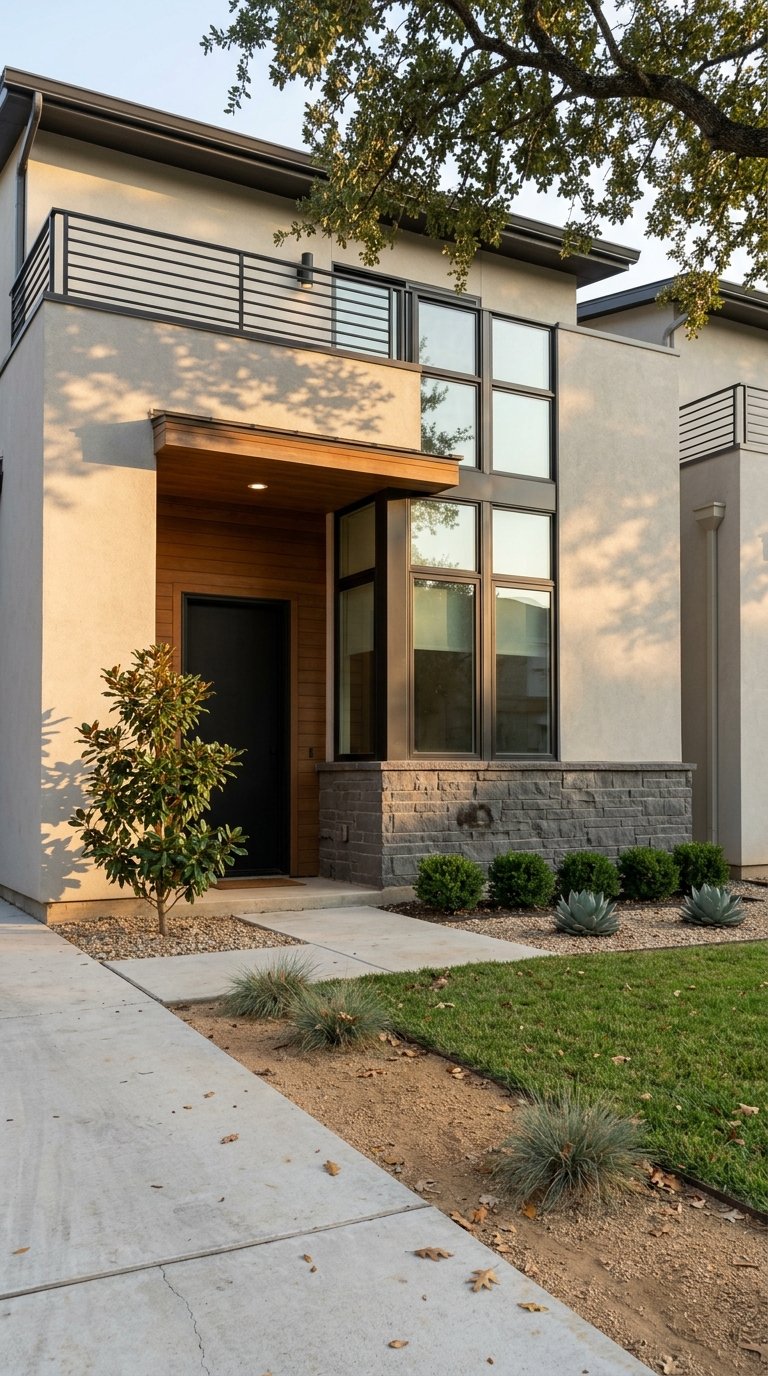
That often points buyers toward smaller detached homes, duplexes, townhomes, or condo-style properties within a short walk or bike ride of South Lamar, South Congress, or South First. This is not a formal ranking, but it is a practical takeaway supported by city planning and zoning context.
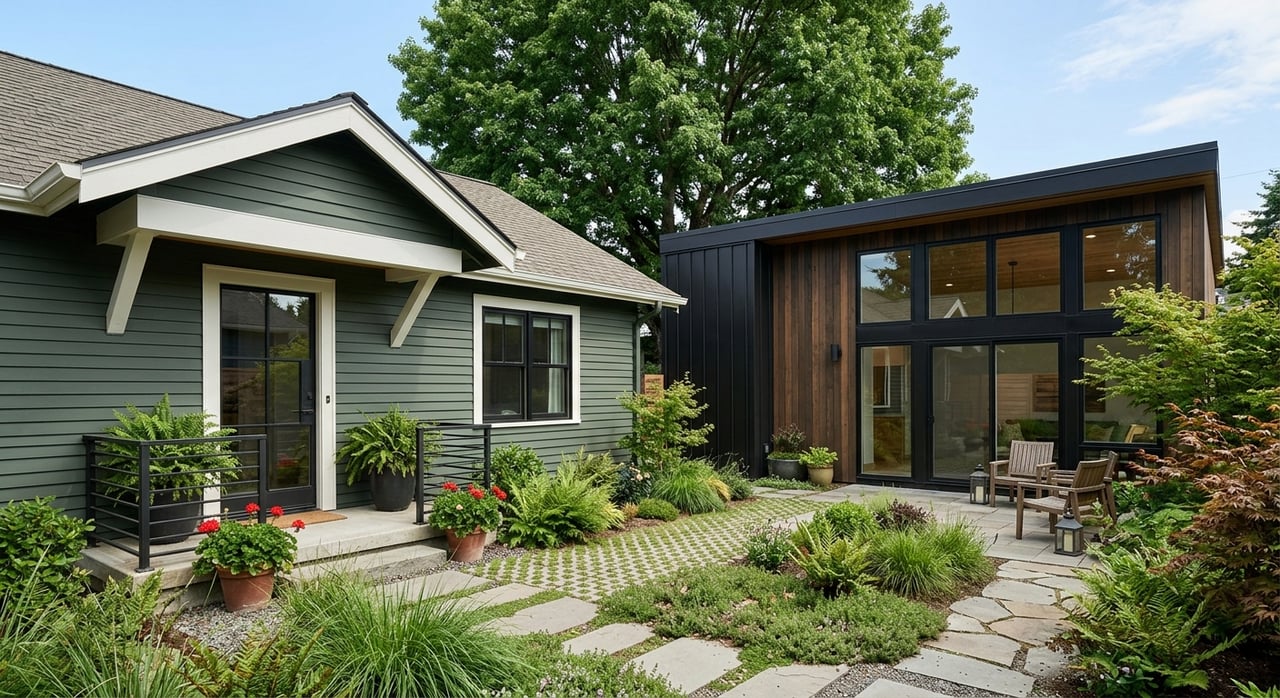
Bouldin Creek’s neighborhood plan encourages multi-family buildings that fit the scale of the street and preserve a pedestrian relationship to the sidewalk. In Travis Heights, review documents show a mix of older bungalows along with rear units, additions, attached housing, and infill, which helps explain why several housing formats can support this lifestyle.
For design-minded buyers, this is where layout and location start to matter as much as square footage. A smaller home in the right spot can sometimes deliver a more flexible daily routine than a larger home farther from the corridors you use most.
Zilker is a smart fit if you picture regular access to trails, Barton Springs, and major park space as part of your weekly rhythm. It supports a car-light lifestyle best when outdoor time is one of your top priorities.
Bouldin Creek tends to be the best match if your goal is to walk to groceries, coffee, dinner, and transit with the least dependence on a car. If you want the shortest errand list and the most daily activity close at hand, it is often the strongest contender.
Travis Heights works well if you want a more residential setting that still keeps you connected to South Congress and neighborhood parks. It may not feel as walkable block by block as Bouldin Creek, but it can offer a calmer home base.
Even in a car-light part of Austin, full car-free living is not always the goal. Heat, larger shopping trips, and cross-town travel can still make a vehicle useful depending on your habits.
Parking is also part of the equation. South Congress has regulated and paid parking in many areas, and Zilker Park uses seasonal paid parking during busier months, so these neighborhoods often work best for buyers who are comfortable with a partly car-dependent routine.
That is why the best home search strategy is not simply asking whether a neighborhood is walkable. It is asking which daily trips you want to replace with walking, biking, or transit, and then choosing the pocket that supports those habits most naturally.
If you are weighing 78704 neighborhoods and want a more tailored read on which blocks, home types, and access points best fit your lifestyle, Justyn LeFebvre can help you compare options with a thoughtful, local perspective.
Stay up to date on the latest real estate trends.
Etiam non quam lacus suspendisse faucibus interdum. Orci ac auctor augue mauris augue neque. Bibendum at varius vel pharetra. Viverra orci sagittis eu volutpat.
Get In Touch With Me To Learn More
@ Properties Lone Star- Christie's International Real Estate 1105 N. Lamar Blvd. Suite 105 Austin, TX 78703