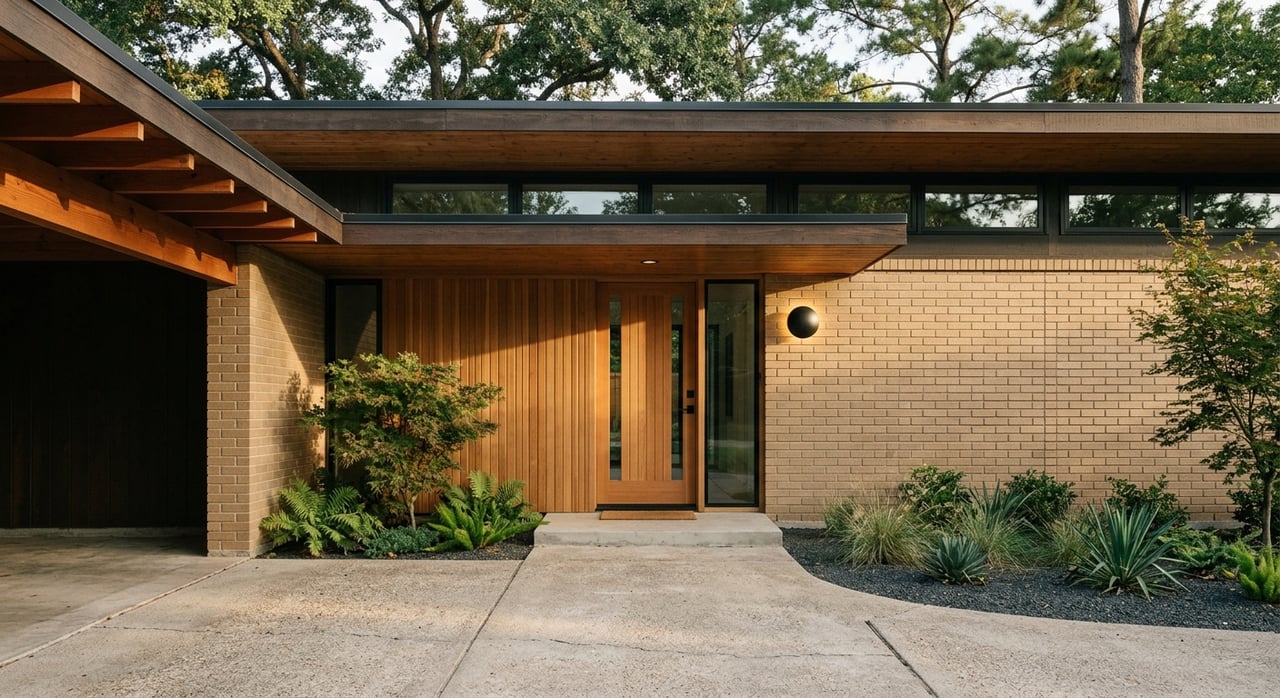
Northwest Hills Mid-Century Homes And Modern Updates
April 2, 2026
April 2, 2026
Thinking about updating a Northwest Hills home without stripping away what makes it special? In 78731, many homes were shaped by hillsides, mature trees, and a postwar vision that favored variety over cookie-cutter design. If you own, plan to buy, or hope to sell one of these properties, it helps to know which features deserve protection and which upgrades can add everyday comfort and resale appeal. Let’s dive in.
Northwest Hills developed over decades, with neighborhood roots tied to land purchases beginning in 1944 and major buildout stretching from the 1960s into the 1980s, according to the Northwest Austin Civic Association history and local reporting from Four Points News. That long development timeline is part of why the area does not read as one fixed style.
Instead, you see a mix of mid-century modern ideas, ranch layouts, and later suburban variations. What ties many of these homes together is the way they respond to the land. Streets, lots, and homes were planned to work with irregular topography, preserve trees, and take advantage of views rather than flatten the site.
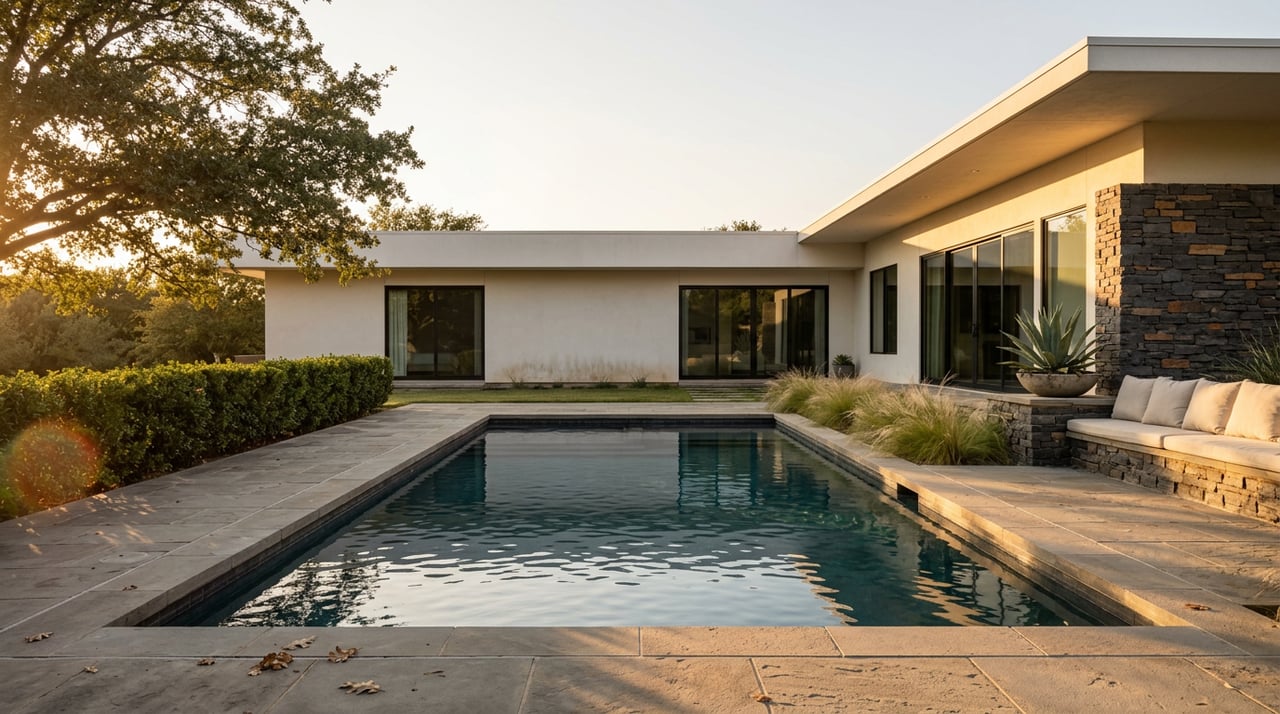
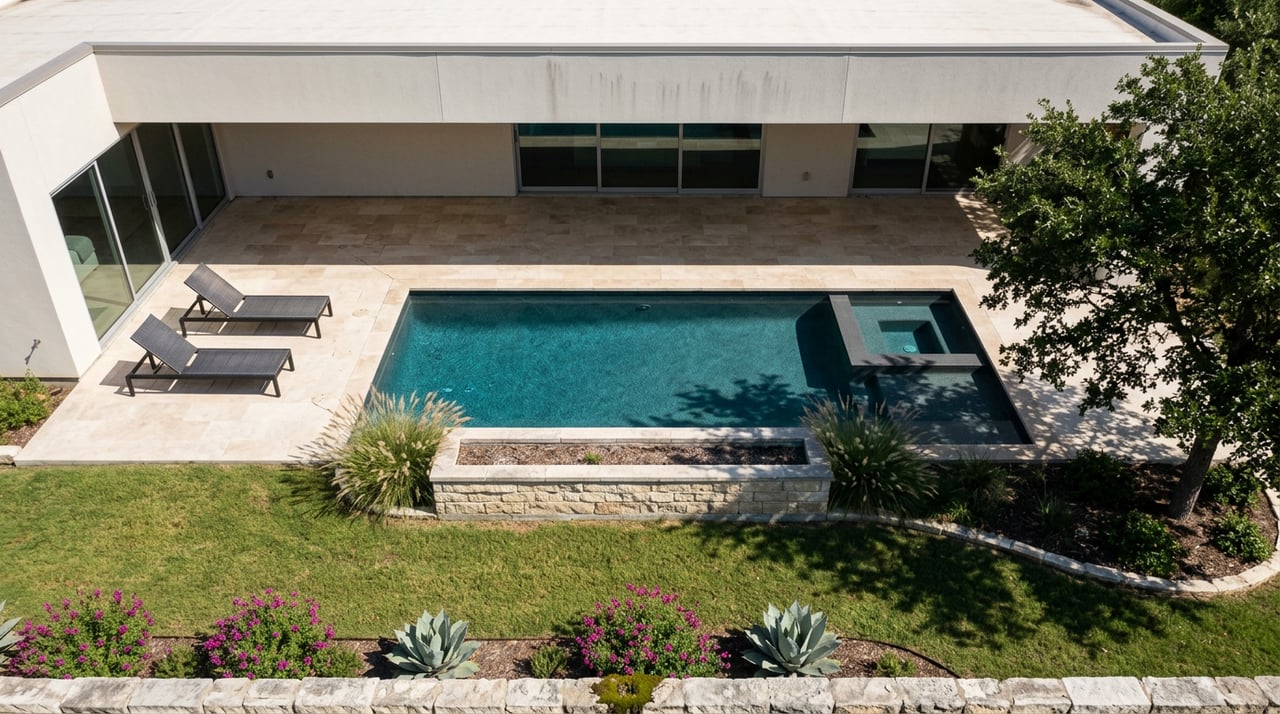
In Northwest Hills, mid-century character often shows up in subtle, practical ways. A documented 1962 Parade of Homes property at 6804 Mesa Drive featured a U-shaped plan around a central courtyard, expansive sliding glass walls, and a long covered porch. Other documented examples in the area point to ranch homes with mid-century details and one-story plans that respond to hilltop or sloped conditions.
That history helps explain why many homes in the neighborhood share a few common traits:
These features are not just design details. They are part of what gives Northwest Hills homes their lasting appeal.
If you are updating a mid-century or ranch-style home in Northwest Hills, the goal is usually not to freeze it in time. The smarter approach is to preserve the features that define the home while improving how it lives today.
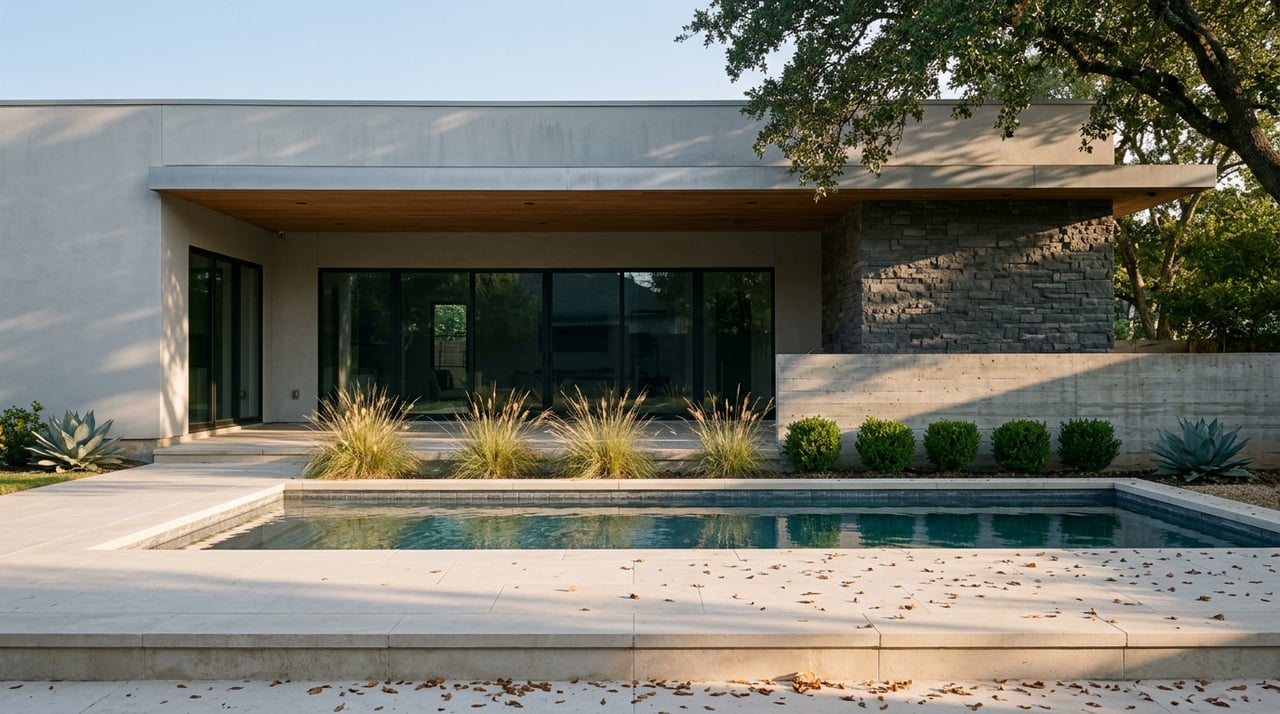
In most cases, the elements worth protecting include the original roofline, major window openings, the exterior material palette, and the home’s low, site-responsive relationship to the lot. In a neighborhood shaped by hills and mature landscape, those features often matter as much as any interior finish.
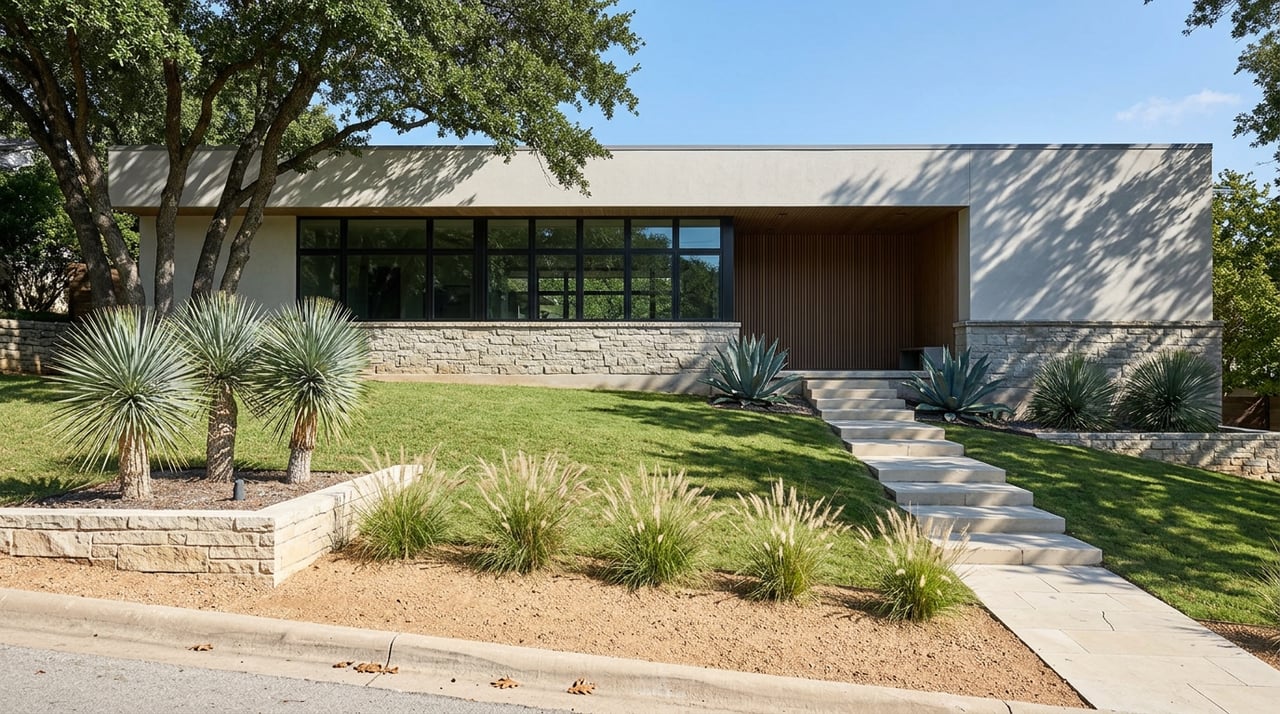
Low horizontal lines are a big part of the neighborhood’s visual identity. Raising roof forms dramatically or adding bulky second-story mass can change the look and feel of the original design.
When updates respect the existing proportions, the home tends to feel more cohesive. That matters for both day-to-day enjoyment and future buyer perception.
Large openings, courtyards, covered porches, and strong backyard access are central to many of these homes. The documented Mesa Drive example shows how important glass walls and outdoor circulation were to early Northwest Hills design.
If you remodel, try to maintain that connection. Buyers often respond strongly to homes that feel bright, open, and grounded in the landscape.
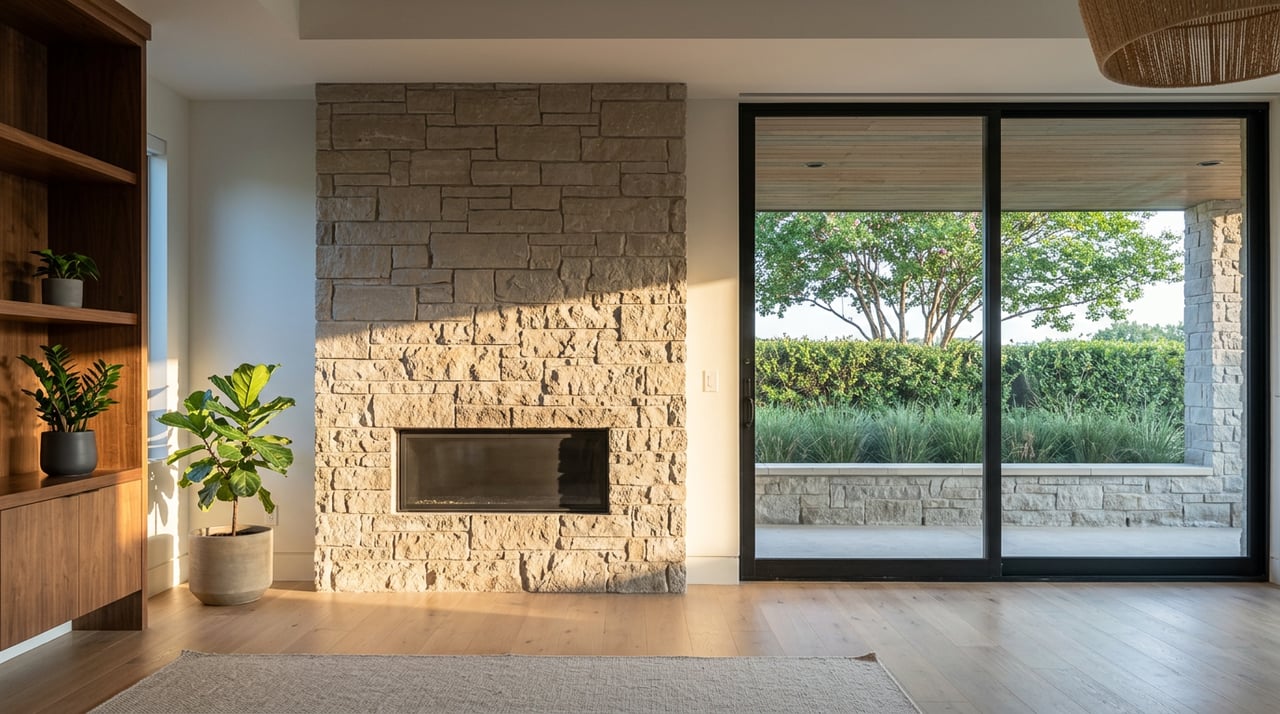
Brick, stone, and limestone accents help many older Northwest Hills homes feel anchored to their setting. Replacing everything with trend-driven finishes can make a home feel less authentic.
A more balanced update often works better. You can refresh the palette while keeping the materials that give the house its character.
Not every renovation adds value the same way. According to the 2025 Remodeling Impact Report from NAR, buyer demand has increased most for kitchen upgrades, new roofing, and bathroom renovations. The report also notes perfect Joy Scores for added primary bedroom suites, kitchen upgrades, and new roofing, while 46% of buyers are less willing to compromise on a home’s condition.
For Northwest Hills, that points to a clear strategy: improve function, comfort, and condition while keeping the original architecture legible.
A good kitchen remodel should make the home work better without feeling disconnected from the rest of the design. In many mid-century and ranch homes, that means improving storage, layout, and flow instead of overbuilding the space.
If the kitchen opens to living or dining areas, thoughtful updates can strengthen that connection. The best result usually feels integrated, not inserted.
Bathrooms are another high-impact area for resale. Updated surfaces, improved lighting, better ventilation, and a more efficient layout can make a big difference without changing the overall character of the home.
Simple, durable materials often suit these properties better than overly ornate choices. A calm, polished finish tends to age well and appeal to a broad range of buyers.
A new roof may not be the most glamorous project, but NAR’s data suggests it carries strong value and homeowner satisfaction. In a market where buyers are less willing to take on condition issues, this type of improvement can support a smoother sale.
It also signals that the home has been cared for. That can shape buyer confidence before they even step inside.
Adding or improving a primary suite can be worthwhile, but only if it is well integrated. In Northwest Hills, oversized additions can overwhelm the low-slung forms that make these homes attractive.
The better approach is usually to expand thoughtfully within the home’s existing geometry or in a way that still respects the original massing. When the addition feels natural, the whole home benefits.
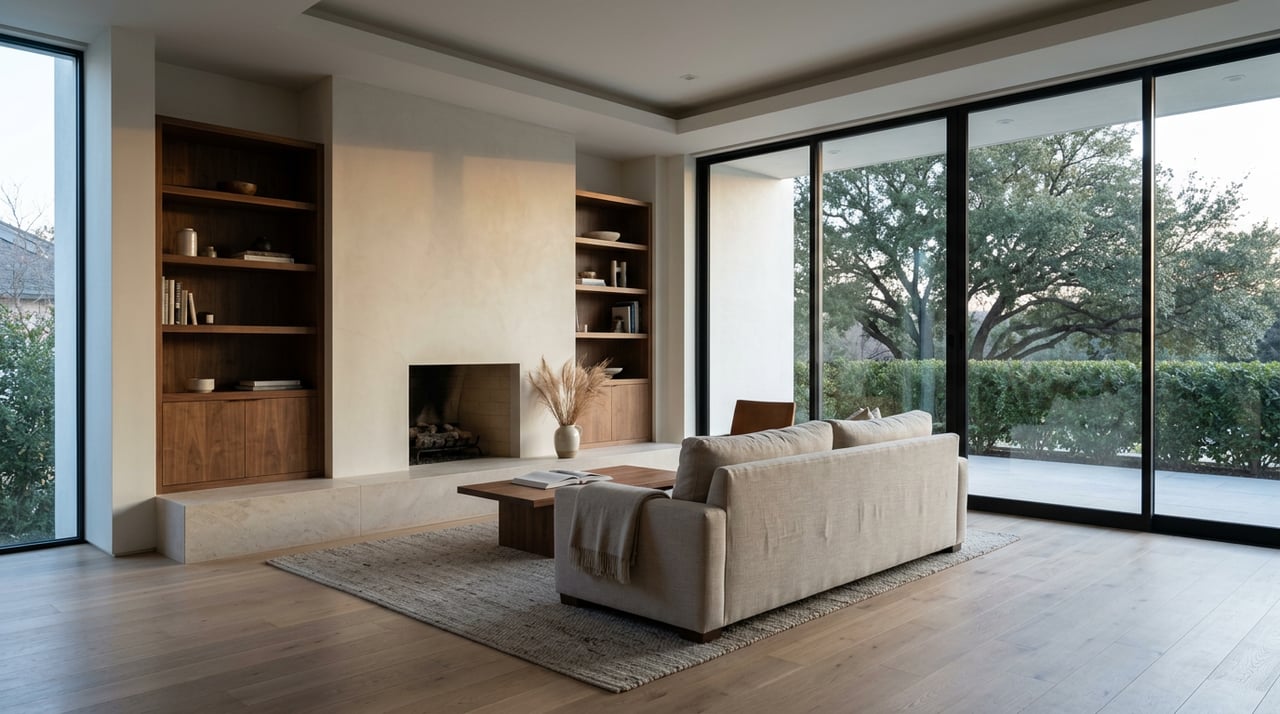
Windows deserve special attention in Northwest Hills because they are often central to the design. Large panes, sliding doors, and strong visual connections to patios or trees are part of the original architectural appeal.
Austin’s preservation guidance notes that retaining older windows and improving them with weatherstripping and energy-efficient screens can offer comparable energy savings and a better return on investment than full replacement. The National Park Service guidance referenced by the City of Austin also supports repairing and upgrading historic windows and doors when possible.
That does not mean replacement is never needed. It does mean you should not assume new windows are the automatic best move, especially if the originals help define the home.
If comfort and efficiency are your priorities, consider improvements that support the existing design first. Austin Energy offers help with weatherization and rebates for items like attic insulation, weather stripping, solar screens, and other efficiency measures through the city resources linked on Austin’s preservation page.
In many cases, these upgrades can improve day-to-day performance without altering the look of the home. That balance is especially important in a neighborhood where original openings and rooflines carry so much visual weight.
If your project goes beyond cosmetic work, permits are likely part of the process. The City of Austin states that a building permit is required for work that enlarges, alters, repairs, improves, removes, converts, relocates, or demolishes a building. You can review the rules on the city’s homeowner permit page.
Some smaller projects may qualify under the express permit program, including certain kitchen and bath remodels, size-for-size window replacements, siding work, roof repairs, and some foundation repairs. Larger or more complex updates typically require fuller review and inspections.
That matters if you are renovating before a sale or evaluating a home as a buyer. Clear permit history and properly completed work can reduce surprises during the transaction.
The local market gives owners a strong reason to be thoughtful. According to the ACS 2024 profile for 78731 from Census Reporter, the median household income is $105,494 and the median value of owner-occupied housing units is $903,200.
In a higher-value market like this, buyers often notice design integrity as much as square footage. A home that preserves its original character while solving practical issues can stand out in a meaningful way.
If you are planning updates in Northwest Hills, keep this simple framework in mind:
That kind of plan supports both livability and resale. It also respects what makes Northwest Hills different from newer construction.
When you are preparing to buy, renovate, or sell a design-driven home in 78731, strategy matters. Justyn LeFebvre brings a design-forward, consultative approach that helps you evaluate improvements, presentation, and market appeal with clarity.
Stay up to date on the latest real estate trends.
Etiam non quam lacus suspendisse faucibus interdum. Orci ac auctor augue mauris augue neque. Bibendum at varius vel pharetra. Viverra orci sagittis eu volutpat.
Get In Touch With Me To Learn More
@ Properties Lone Star- Christie's International Real Estate 1105 N. Lamar Blvd. Suite 105 Austin, TX 78703